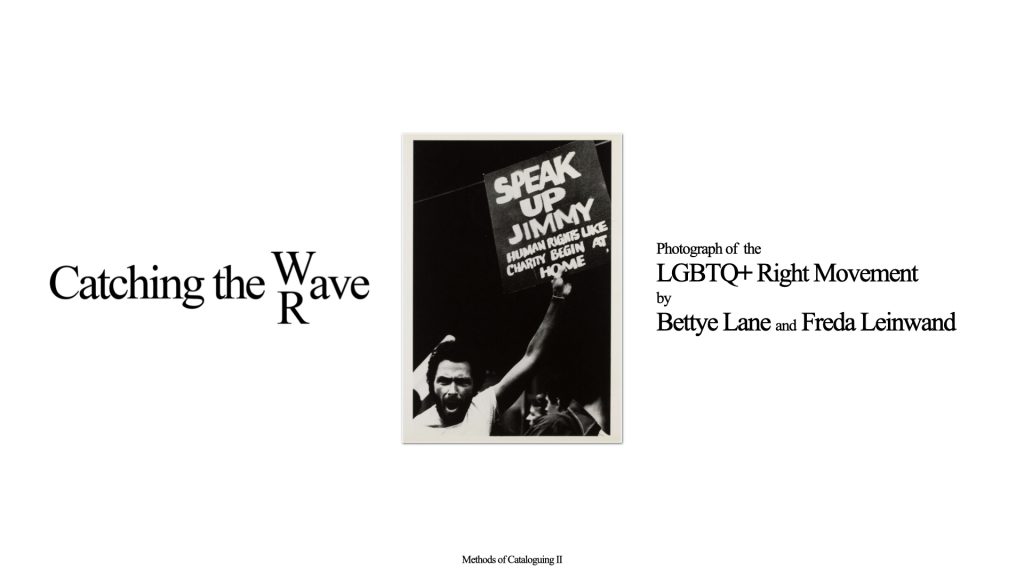
Catching the W/Rave
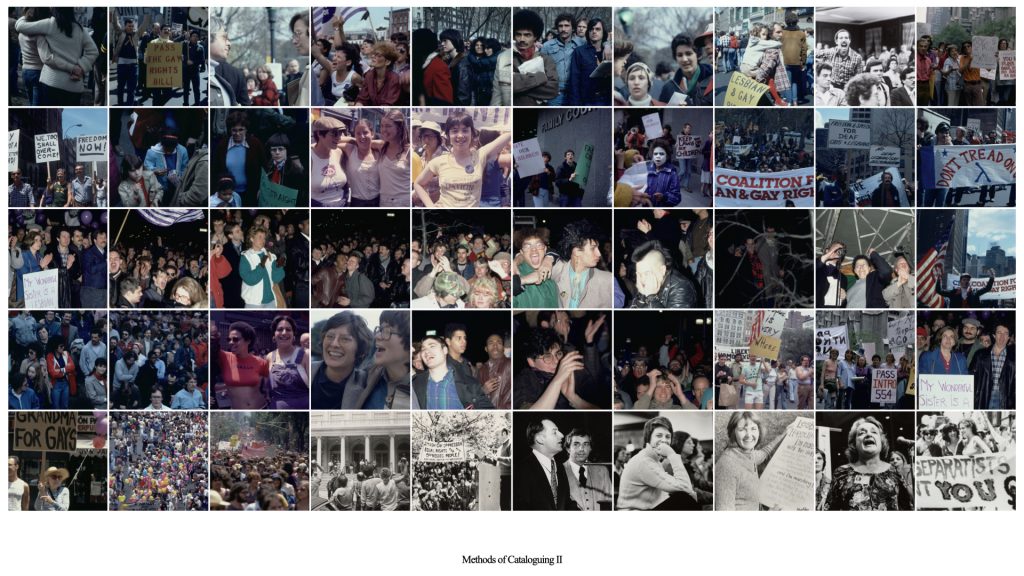
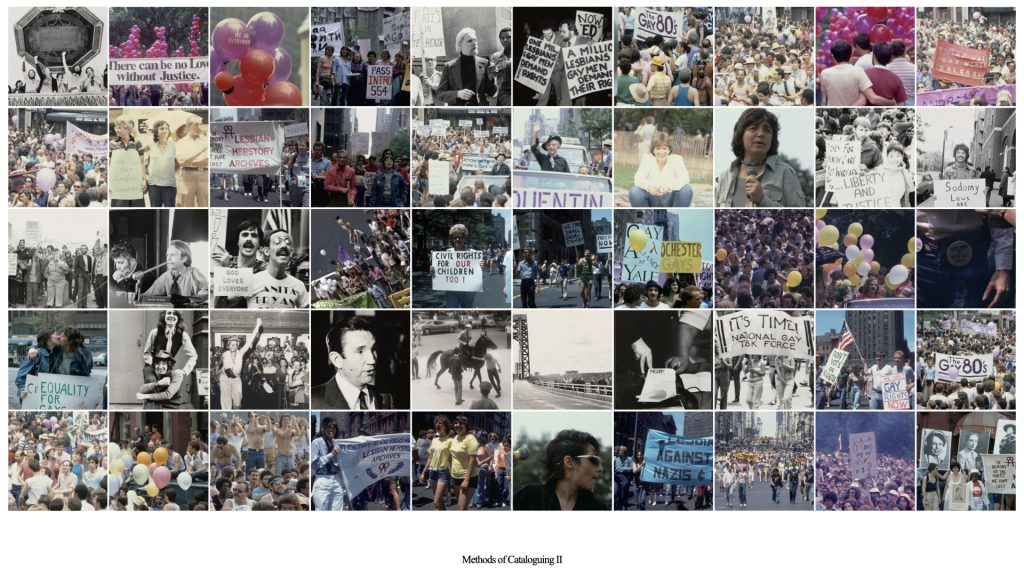
Catching the W/Rave — a play on the words Wave and Rave — is the final project I created for Methods of Cataloguing. The work draws from Harvard’s digital collection Catching the Wave, reimagining and remixing its archive through a new lens. Here’s a glimpse at the 100 photos from the collection that inspired the project.
My (re)definition of cataloging…
When talking about cataloging, my definition or (re)definition of it is to go beyond categorisation where it involves creating order and narrative, like curation, it’s about shaping connections and telling stories through how things are arranged.
But while working on this set, I’ve been thinking how i can redefine perception without changing the story? Because when it comes to the history and the people who shaped it, we always have to approach it carefully.
We can find new ways to see history, but we must respect its truth and the experiences it carries, otherwise, meaning can easily shift into misrepresentation or unintended humour.
So i came up with these three topics by using different kind of methods:
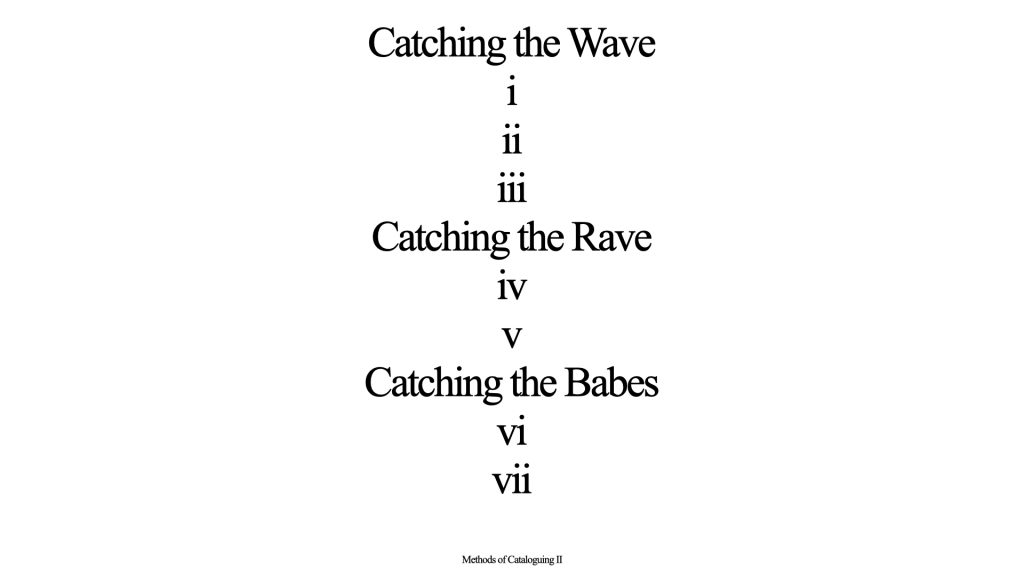
1. Catching the Wave – using the method of [(re)contextualizing]:
Catalogued in dialogue with the presenter’s narration(generated), tracing the emotional shifts carried through each spoken line.
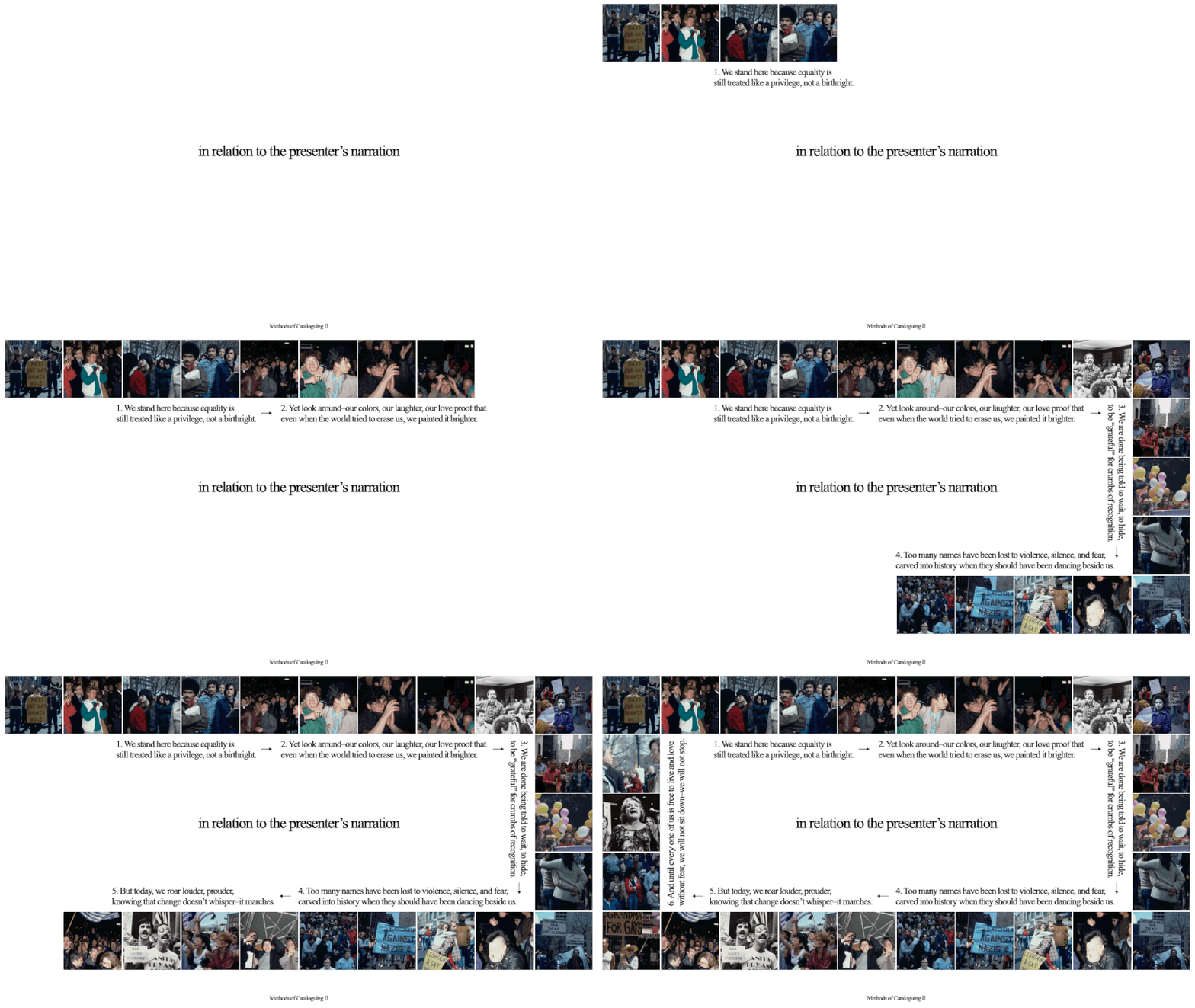
Generated Speech:
Serious: We stand here because equality is still treated like a privilege, not a birthright.
Joyful: Yet look around—our colors, our laughter, our love—proof that even when the world tried to erase us, we painted it brighter.
Angry: We are done being told to wait, to hide, to be “grateful” for crumbs of recognition.
Sad: Too many names have been lost to violence, silence, and fear, carved into history when they should have been dancing beside us.
Excited/hopeful: But today, we roar louder, prouder, knowing that change doesn’t whisper—it marches.
Resolute: And until every one of us is free to live and love without fear, we will not sit down—we will not stop.
2. Catching the Rave – using the method of [classifying]:
Classifying the photographs by how close they resonate the energy and visual language of rave culture.
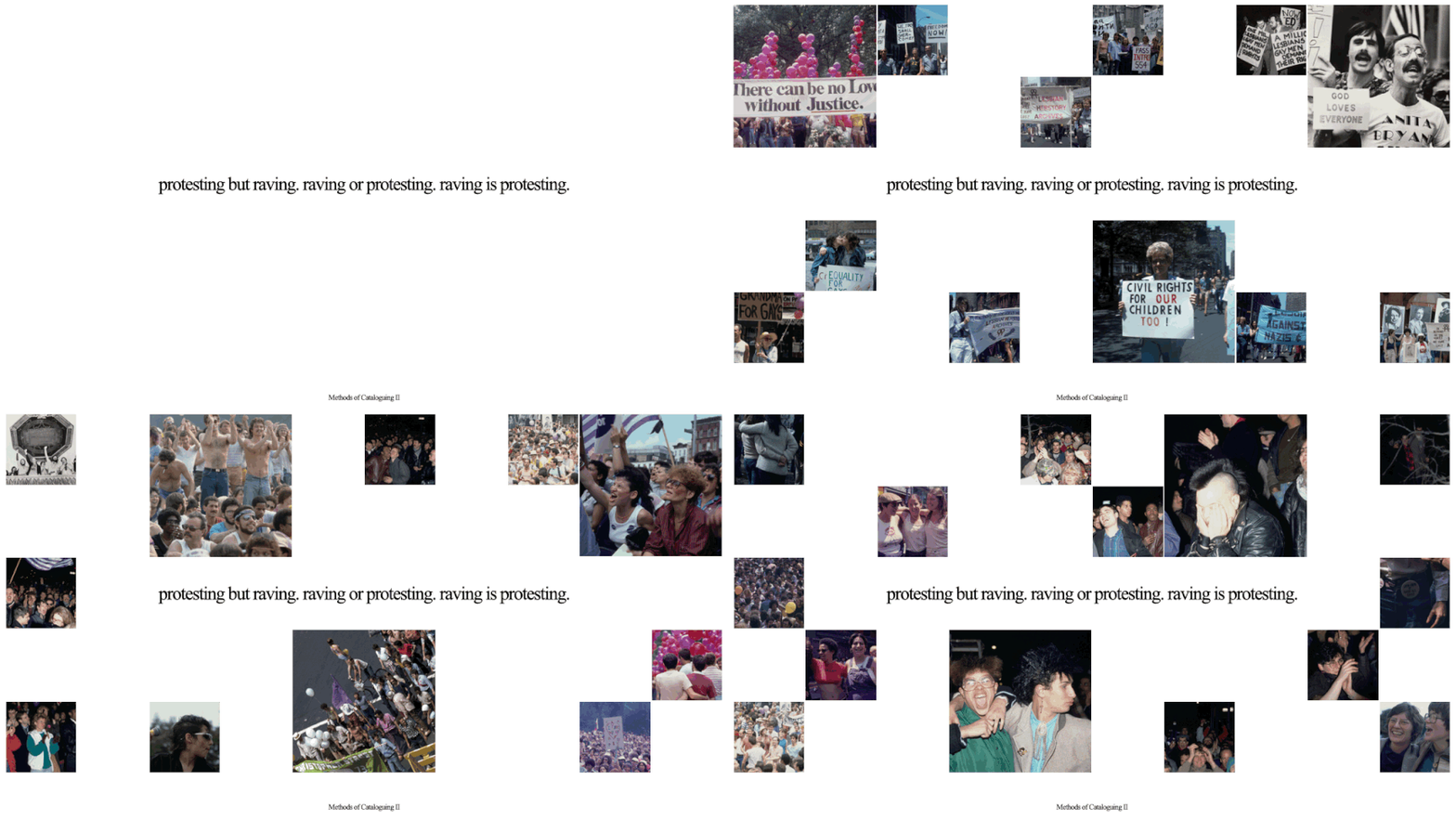
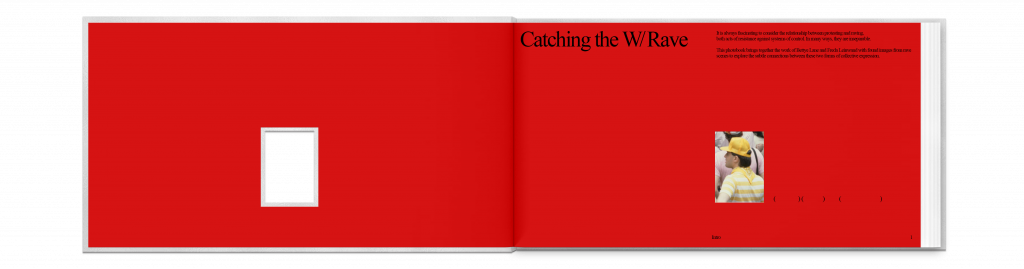
It’s always interesting to think about the relationship between protesting and raving, as both are forms of resistance against systems of control. In many ways, they’re inseparable.
Raving has always carried a spirit of protest — tracing back to the earliest underground gatherings, where those on the fringes of society came together to celebrate freely, without judgment.
3: Catching the Babes – using the method of [hijacking]:
Hijacking the faces in the photographs to playfully honour both the known and unknown heroes.
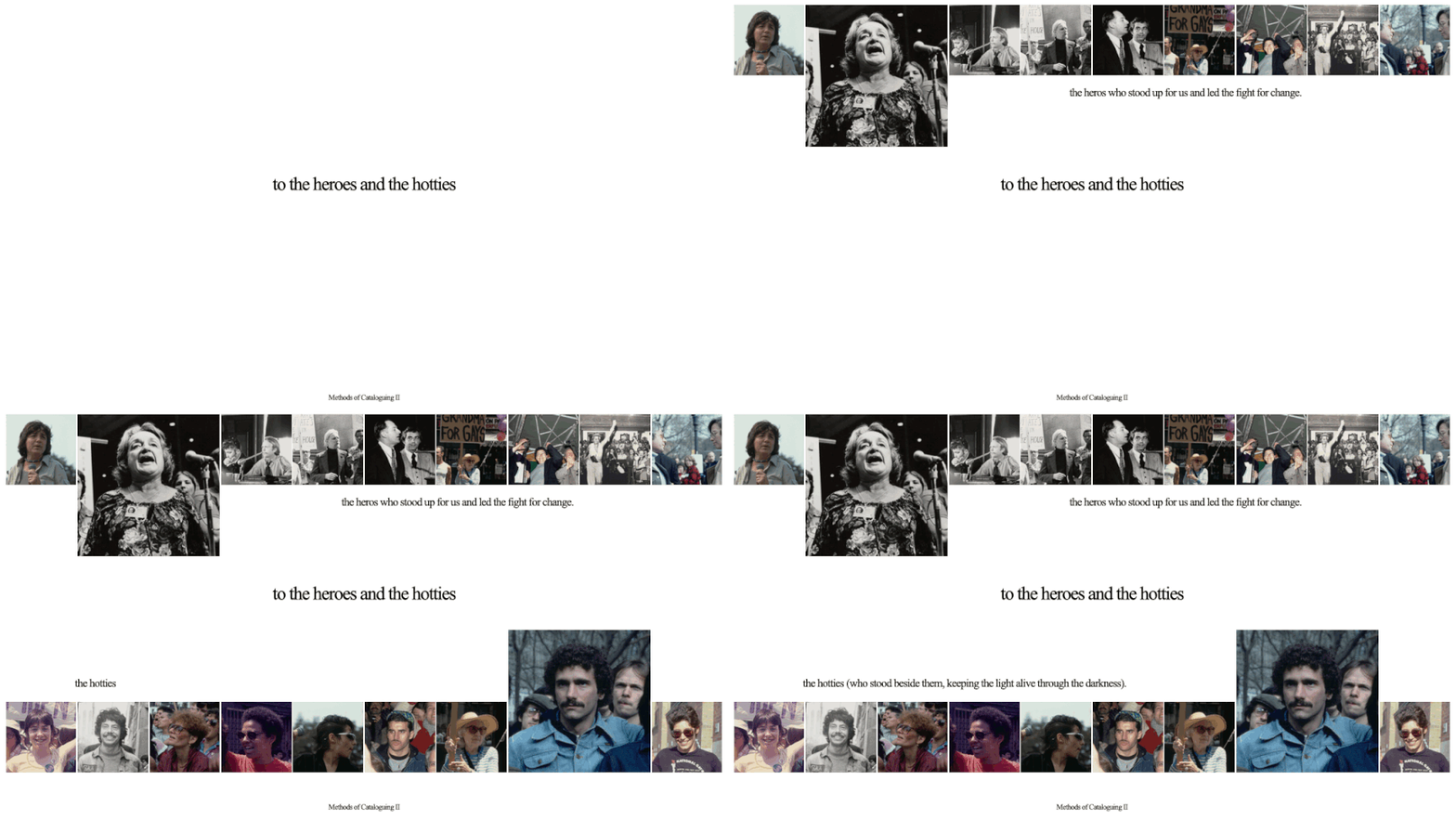
Focus on Catching the Rave…
I found them all quite fun to play around with but i chose to focus on Catching the Rave. I created this photo book that brings together the work of Bettye and Freda with found images online from rave scenes, to explore the subtle connections between these two forms of collective expression.
Note: The rave images included here haven’t been formally researched or verified — they’re used purely to convey the concept rather than as verified documentation at the moment.
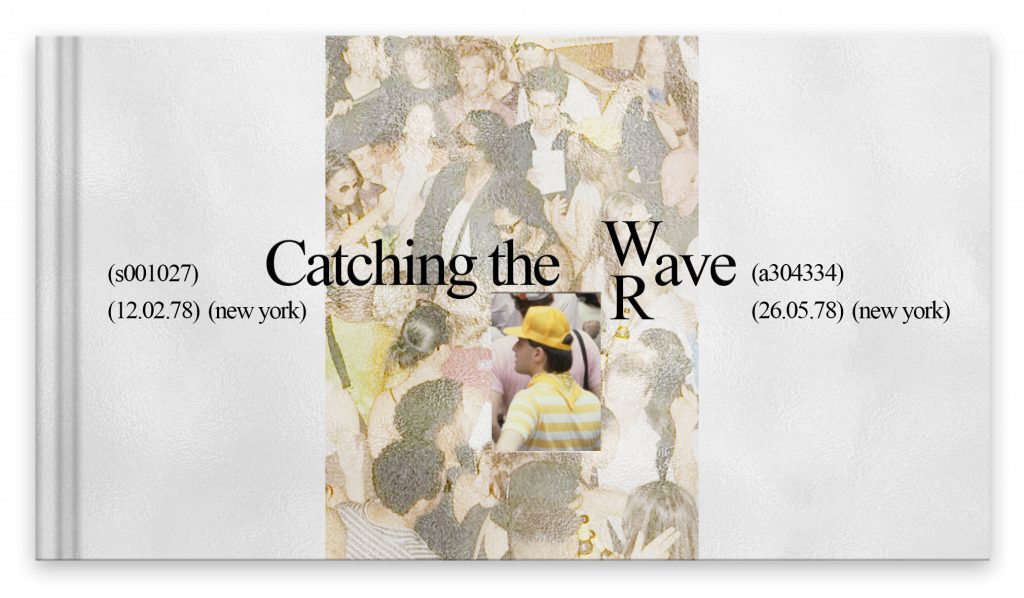
Photo book Intro
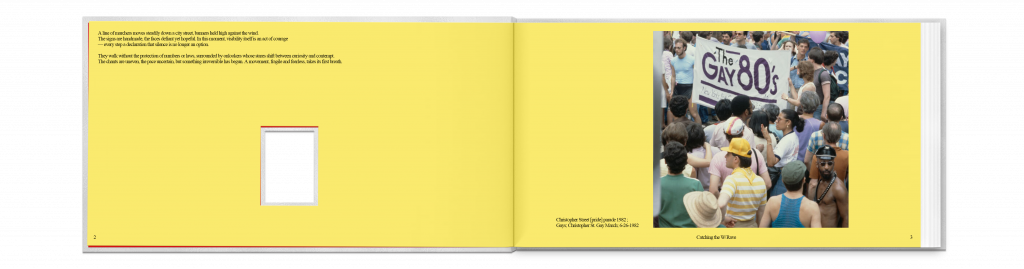
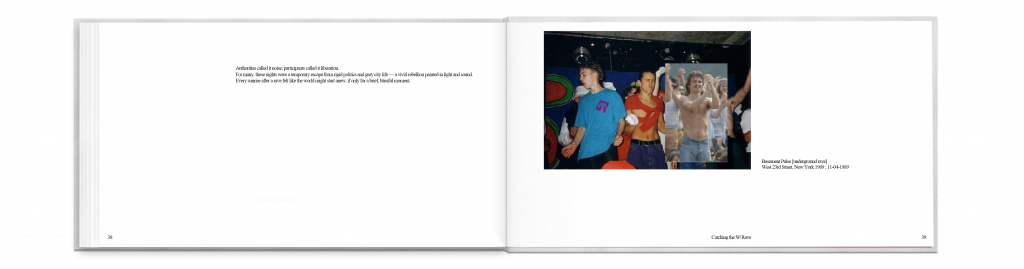
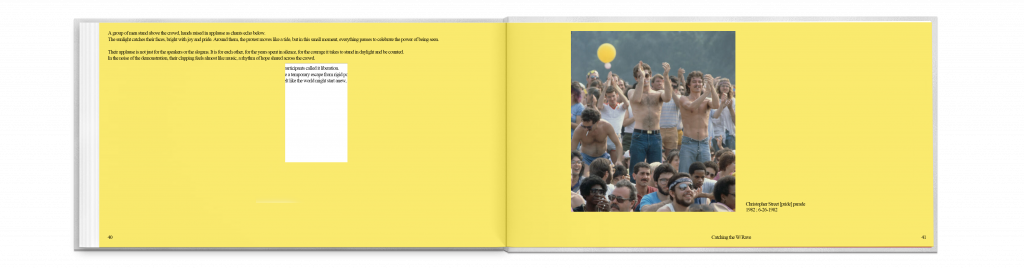
This book reimagines their photographs within different rave settings, connecting past and present through shared energy and emotion. By placing these images in vibrant rave scenes, I wanted to reflect on how these gatherings began— and what they continue to represent today.
Onward
It works by cutting out spaces from rave scene photographs and filling them with fragments from protest images. I kept the original titles given by the photographers, mirroring their format when captioning the rave photos. The color of each page divides the book into two storylines, creating a visual and conceptual parallel between the two forms of expression.
Ending
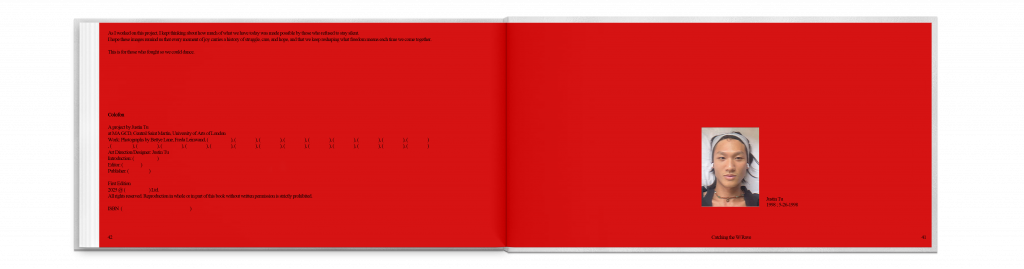
Ending with the author’s words – which is me – As I worked on this project, I kept thinking about how much of what we have today was made possible by those who refused to stay silent. I hope these images remind us that every moment of joy carries a history of struggle, care, and hope, and that we keep reshaping what freedom means each time we come together.
This is for those who fought so we could dance.
Leave a Reply