I. Reading THE IMAGE
Framing changes meaning. The same image, placed under different frames, produces different readings, and the heavier the frame’s symbolic weight, the more obvious the shift.
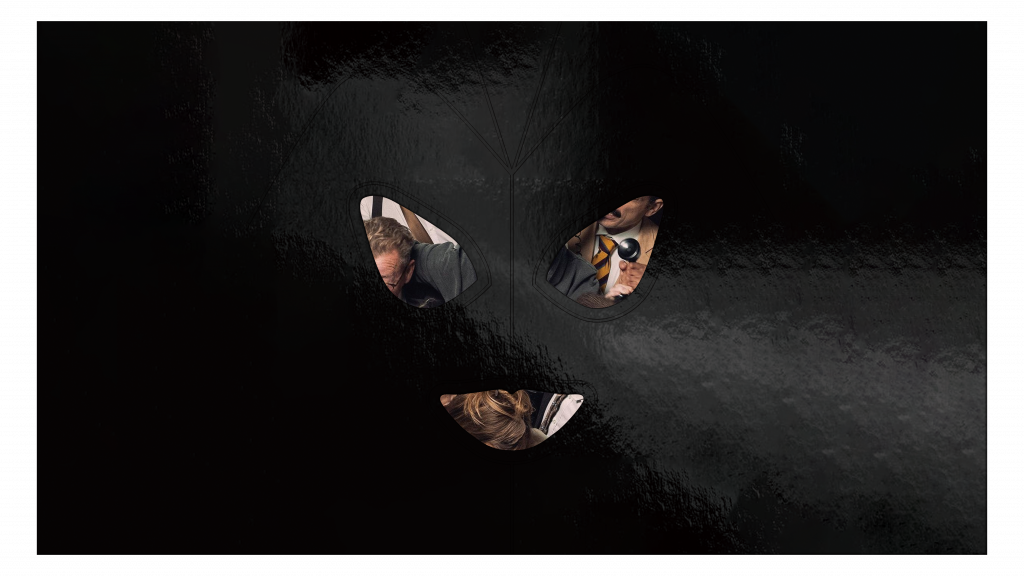
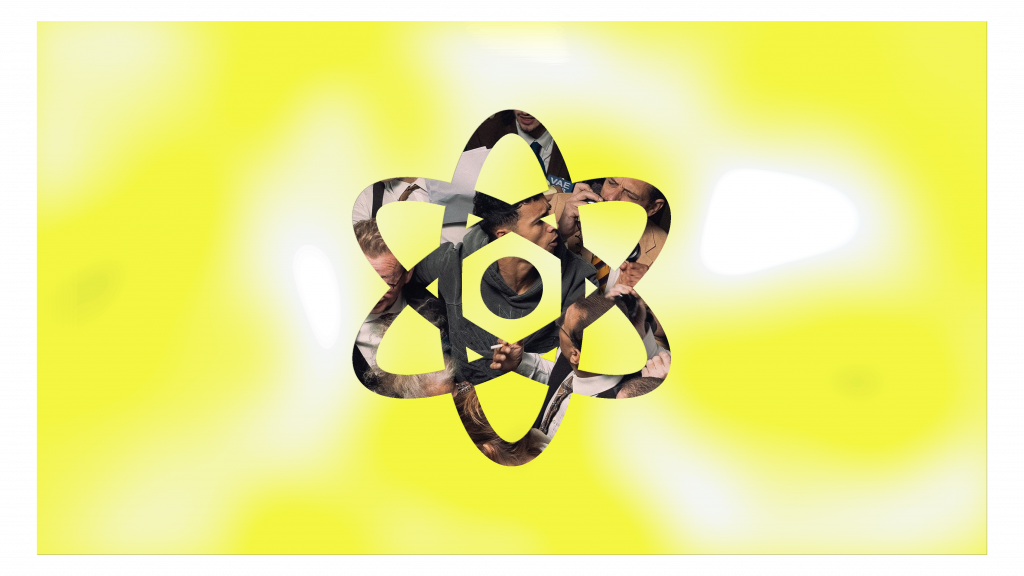
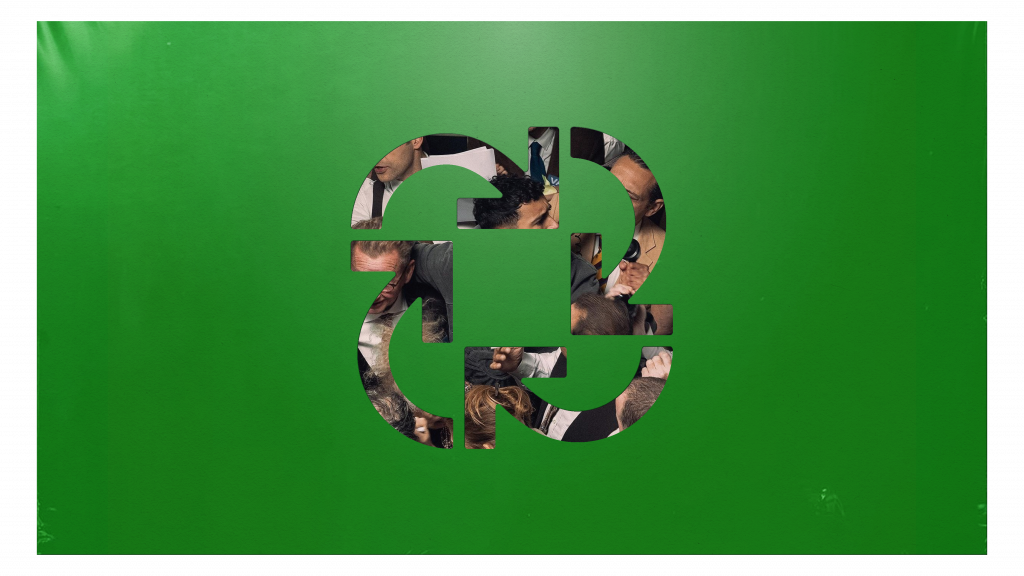
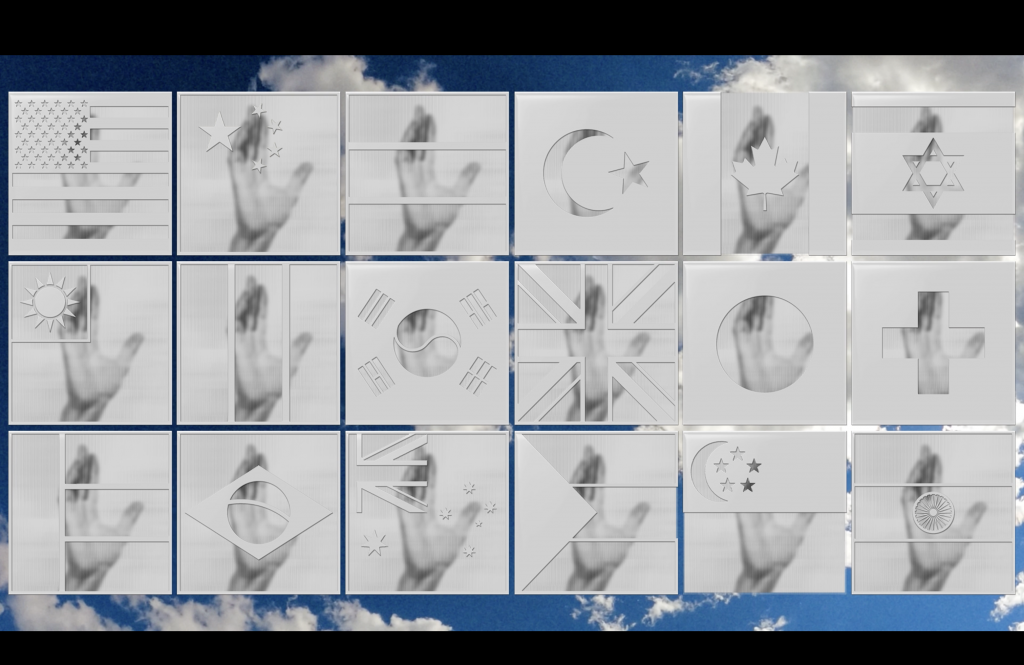
Take the flag: the same image reads as unity to one viewer, threat to another. That weight has been embedded so deeply, through history, through repetition, through power, that it feels self evident. What surrounds an image reshapes the image itself.
The question begins with the frame, everything placed around an image to tell it what to mean. But a frame is a kind of instruction, and instructions have limits.
So what happens when the instruction disappears? When there is no border at all, only image against image, and meaning has to be built in the space between them?
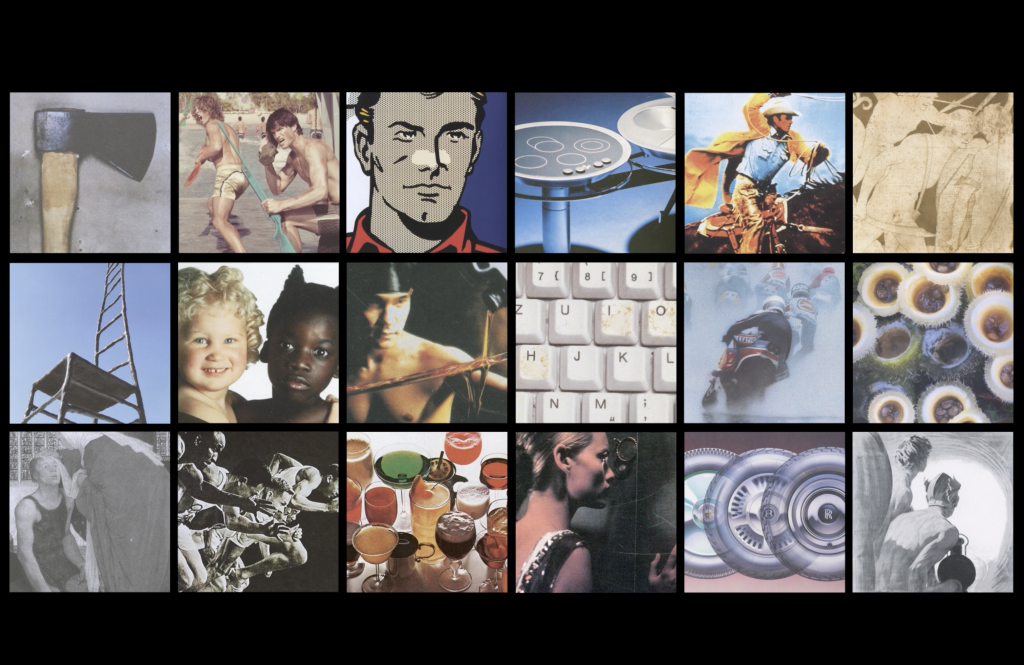
Because this is not only how we read pictures. It is how a person is built. For bell hooks, popular culture is where the learning happens, where so much of who we become is taught. The images around us were never neutral. They shaped us.
II. Reading MANHOOD
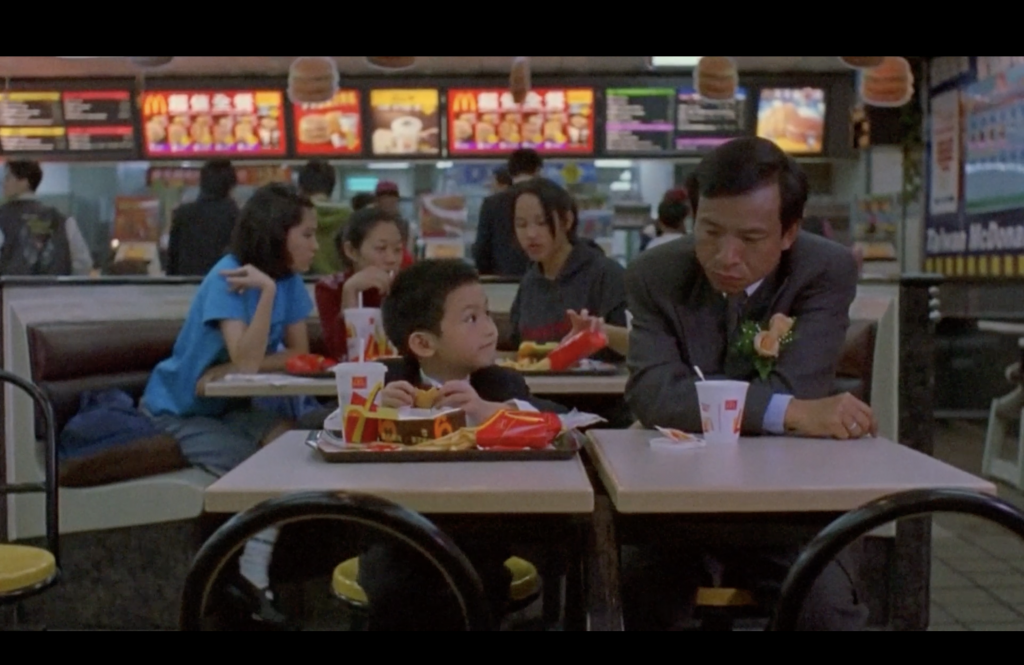
And nothing shapes how we read manhood more than who first showed it to us. Usually, that is the father. But for many of us, a generation raised on the absent provider, he was not fully there.
Not gone, but distant. Present as a provider, rarely as a presence.
The primary male figure in these lives was also the one they knew least. So the picture of manhood came from elsewhere. From their mothers, less a picture of the actual father than a picture of what a man should be, shaped by her own desire and her own disappointments. From mass media, which filled the gaps with its own projections. Between them, a standard a man could never quite meet.
The man built in the mind never quite matched the man who was there.
Stuart Hall gave us a way to describe this. Meaning, he argued, is never simply passed from sender to receiver. A message is encoded by someone, shaped by their position, and then decoded by someone else, from theirs. Meaning lives in the gap between.
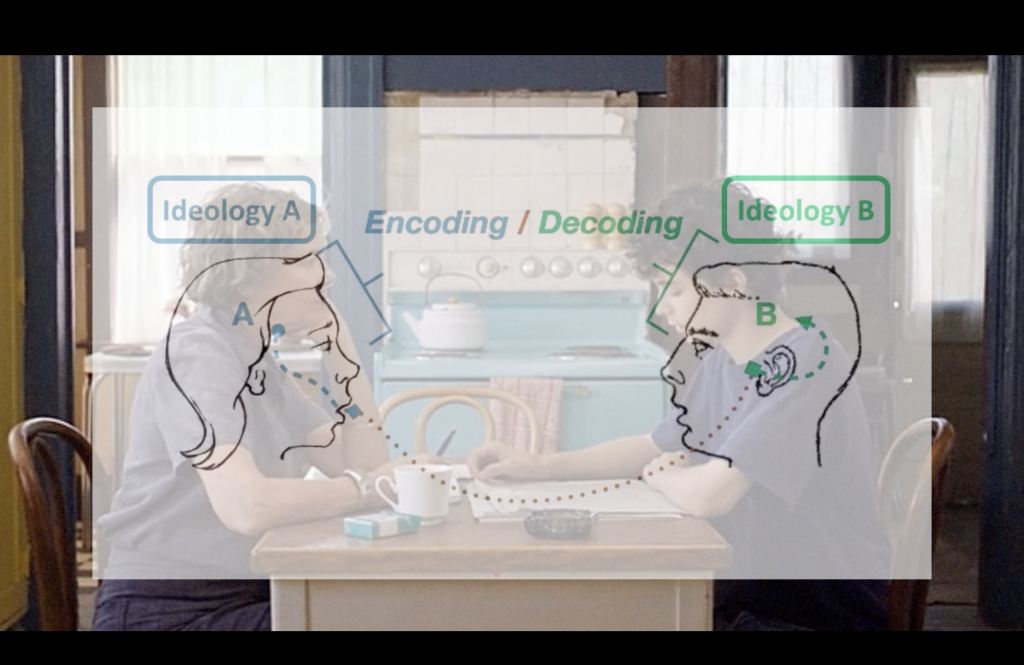
Here, the message was manhood itself. Encoded by a mother, a woman translating a gender she did not inhabit. And decoded by a child, too young to read it, with no original to check it against.
So the search began. For the missing image, in the places that seemed to hold it. In books. In magazines. In films. In a mother’s words, gathered up and assembled into a man. Fragments collected and held against each other, looking for a shape, piecing together a picture of what a boy was supposed to become.
It was happening without anyone knowing. We were reading before we knew we were reading. Image placed beside image. Meaning built in the space between.
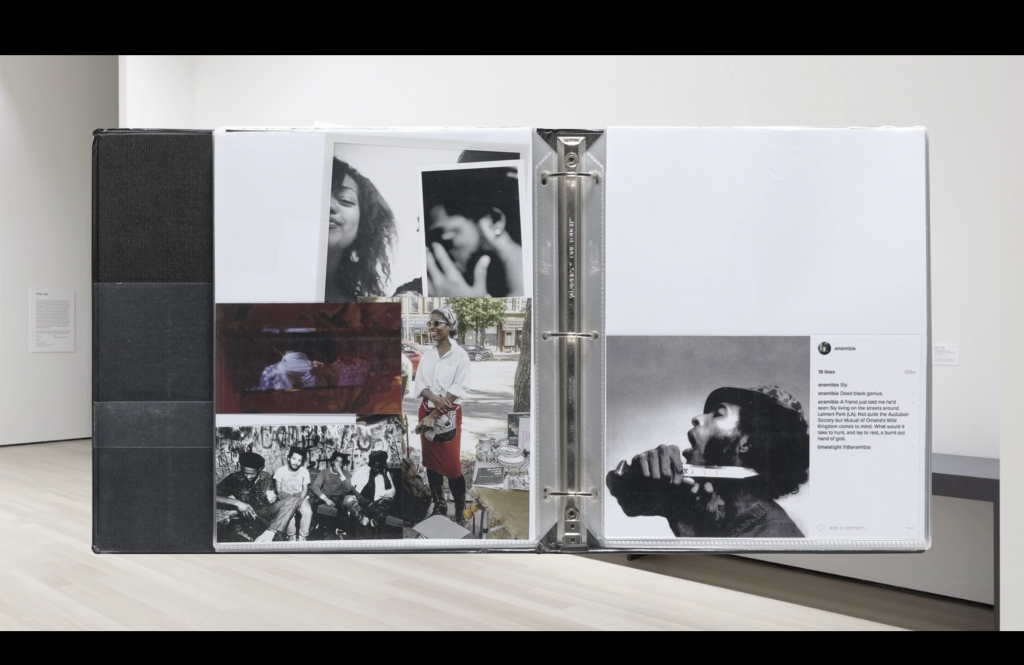
Arthur Jafa worked this way on purpose. His notebooks gather clippings from magazines, newspapers, and advertisements, juxtaposed across decades to hold the contradictions of Black life in view. He lets the images speak against each other. He does not resolve them.
This is what Borrowed Instruction does, for a different question: how a son assembles a picture of a man. It takes those fragments, the borrowed pictures, the secondhand instructions, and places them back into dialogue. Image against image, with no caption, no father to fix their meaning, only the source, which fixes nothing. It does not resolve them. It lets the gap stay visible.
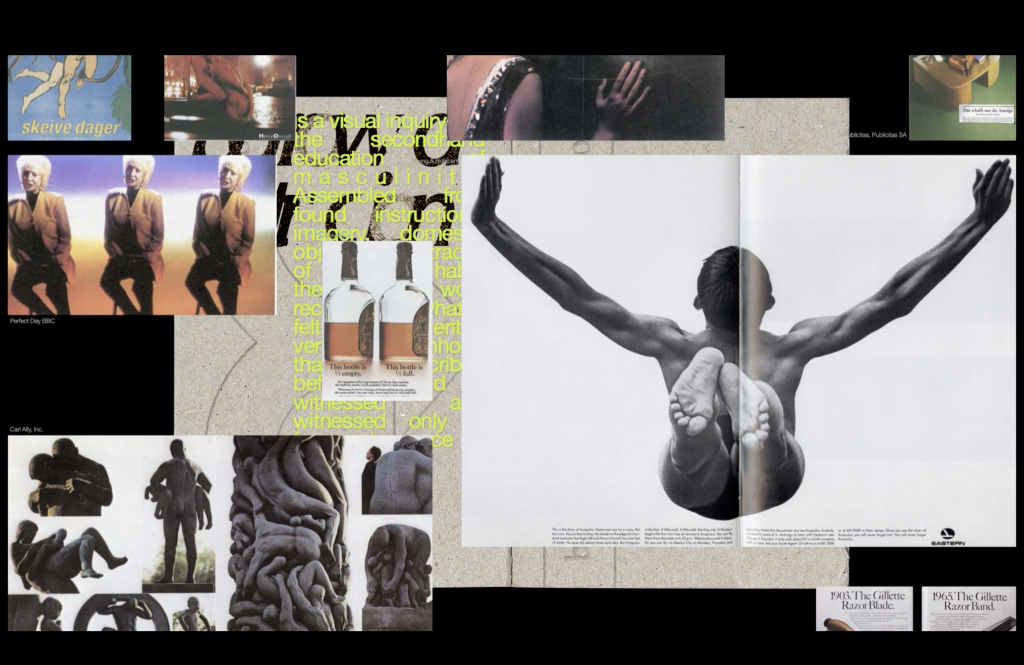
What once happened to us without our knowing, we now do on purpose. This time, we choose how to read them. Because that gap was never empty. It was where we did the building all along.
Footage:
•20th Century Women (Mike Mills, 2016)
•The Pagemaster (Maurice Hunt, 1994)
•Yi Yi: A One and a Two (Edward Yang, 2000)
References:
•Hall, S. (1980) ‘Encoding/decoding’, in Hall, S., Hobson, D., Lowe, A. and Willis, P. (eds.) Culture, Media, Language: Working Papers in Cultural Studies, 1972–79. London: Hutchinson, pp. 128–138.
•hooks, b. (1997) Cultural Criticism & Transformation. Directed by S. Jhally. [Film]. Northampton, MA: Media Education Foundation.
•Jafa, A. (1990–2007) Untitled notebook (object no. 1131.2018). [Artwork]. New York: Museum of Modern Art.
Leave a Reply