Week1: Shape thoughts through shape
My practice has mainly focused on social issues around perception and hidden bias, often inviting viewers to reflect on their own assumptions through interaction. A recurring method in my work is the “cutout” as an act of revealing, uncovering what is otherwise obscured. Through this project, I want to push this further by examining how the cutout itself can shape meaning, and how subtly it can influence perception.
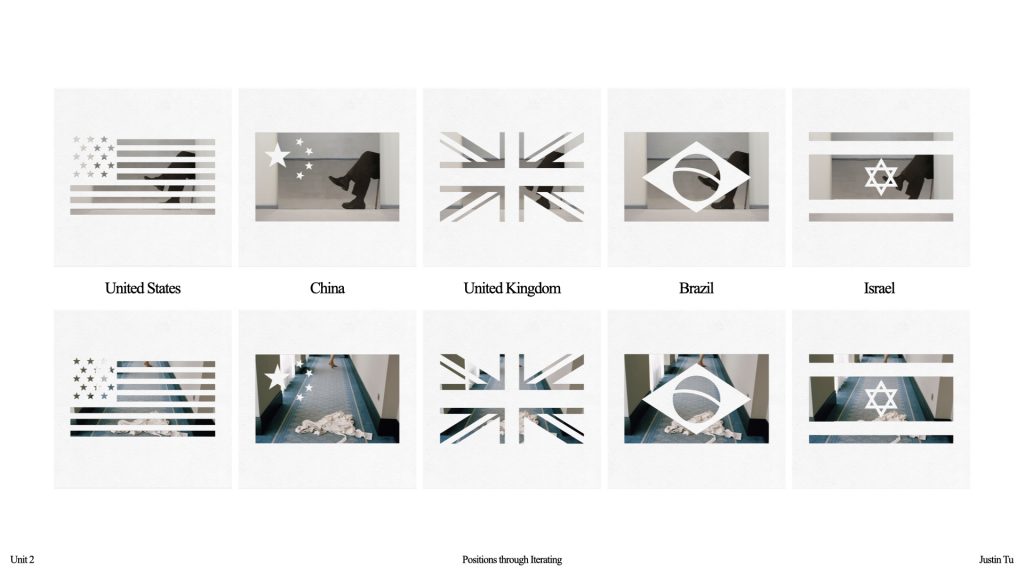
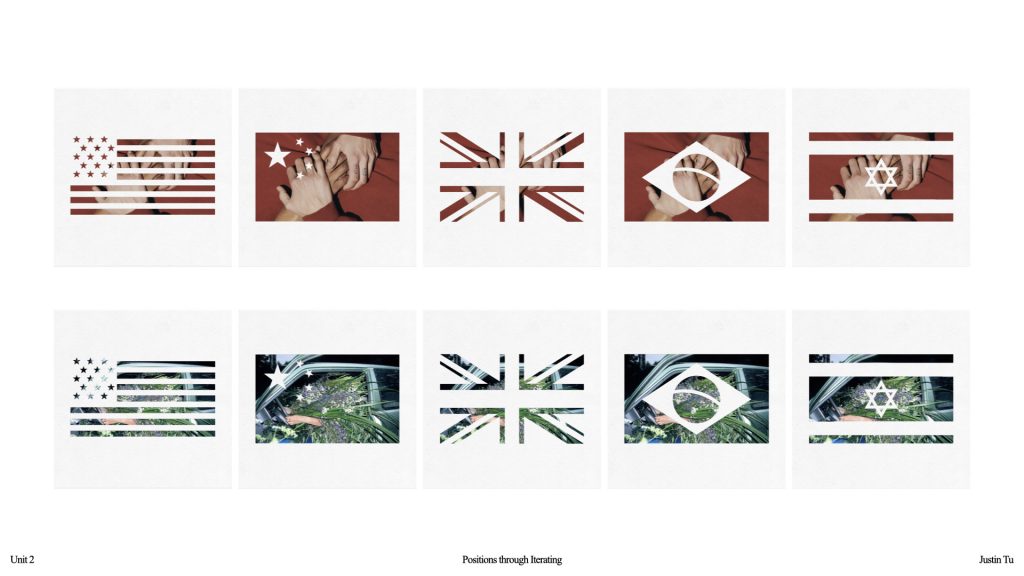
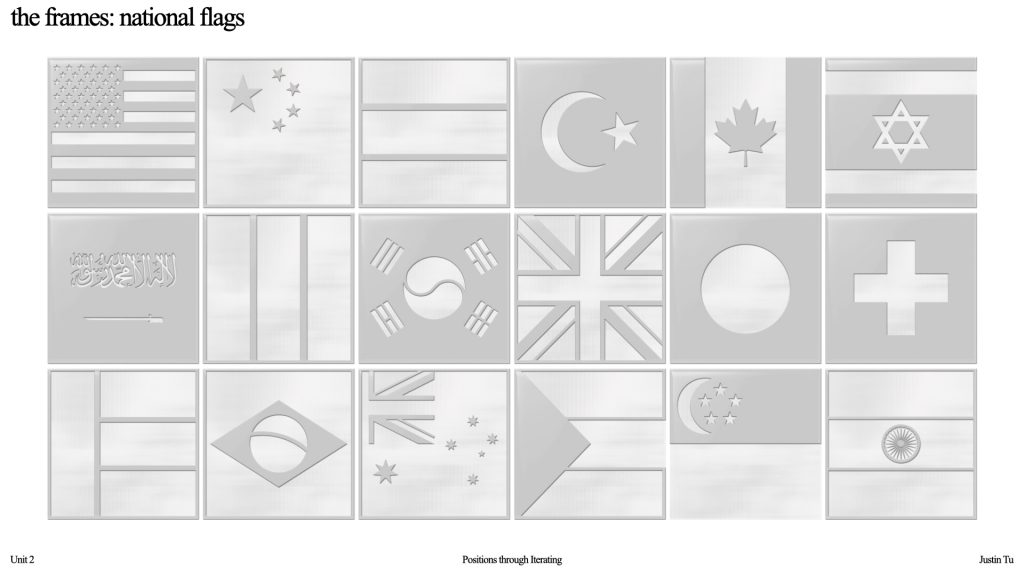
In the first part, I used different national flags as cutouts to view the same image. Each country carries its own cultural, political, and emotional associations, which may influence how the image is interpreted.
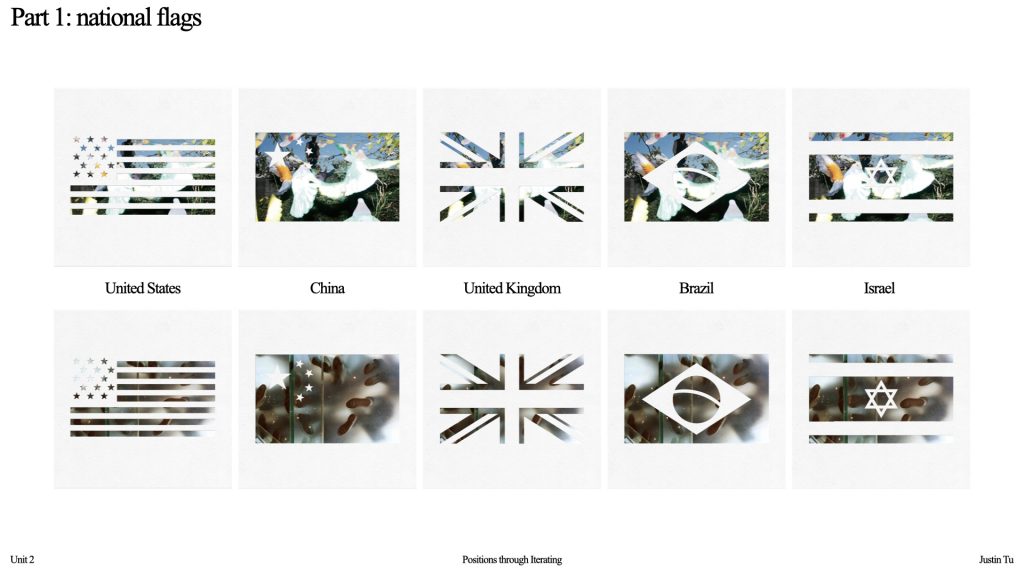
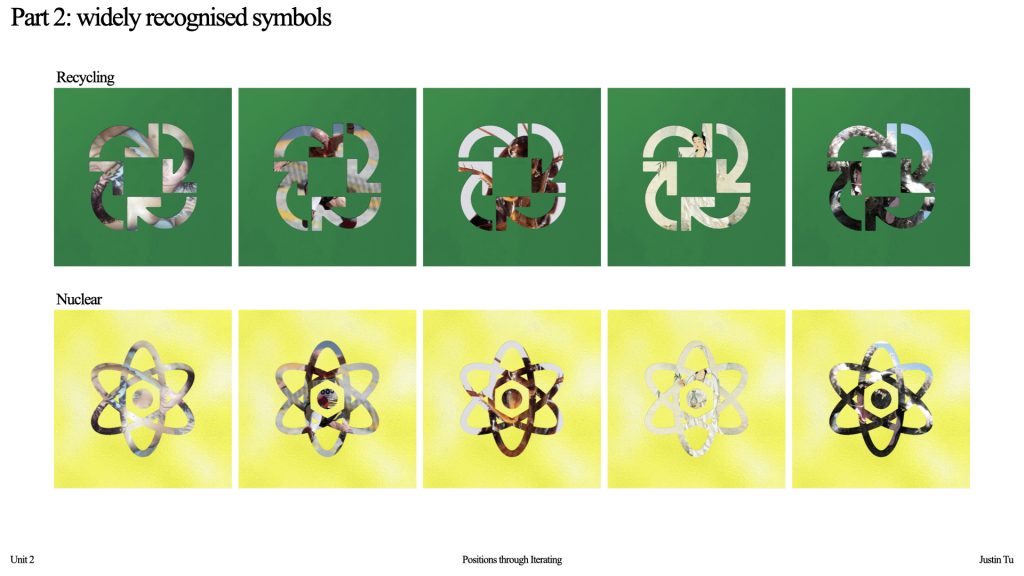
In the second part, I used familiar, widely recognized symbols to create the cutouts. I’m interested in whether these symbols also affect how we perceive an image even when the symbol itself has no direct connection to what is being shown.
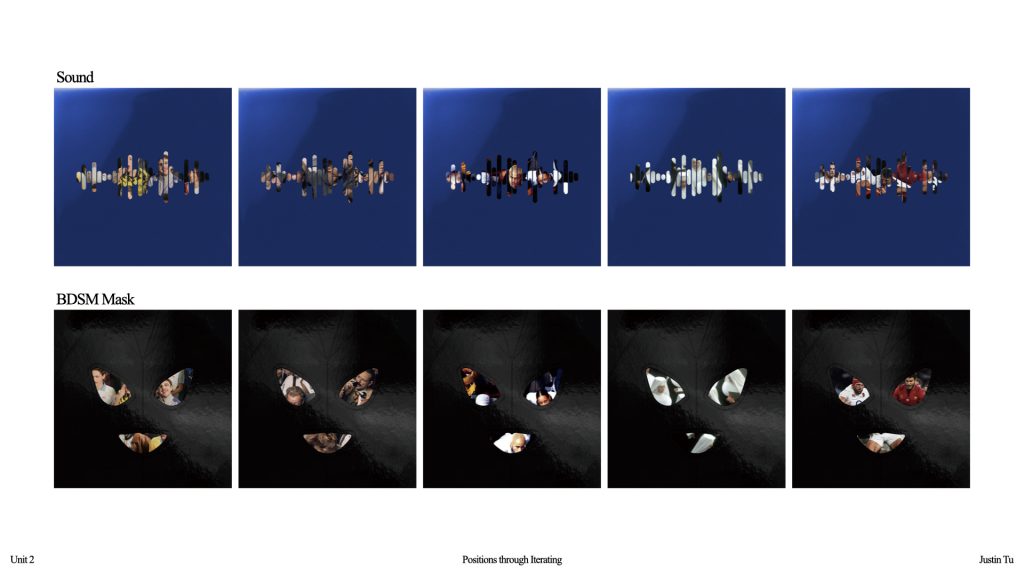
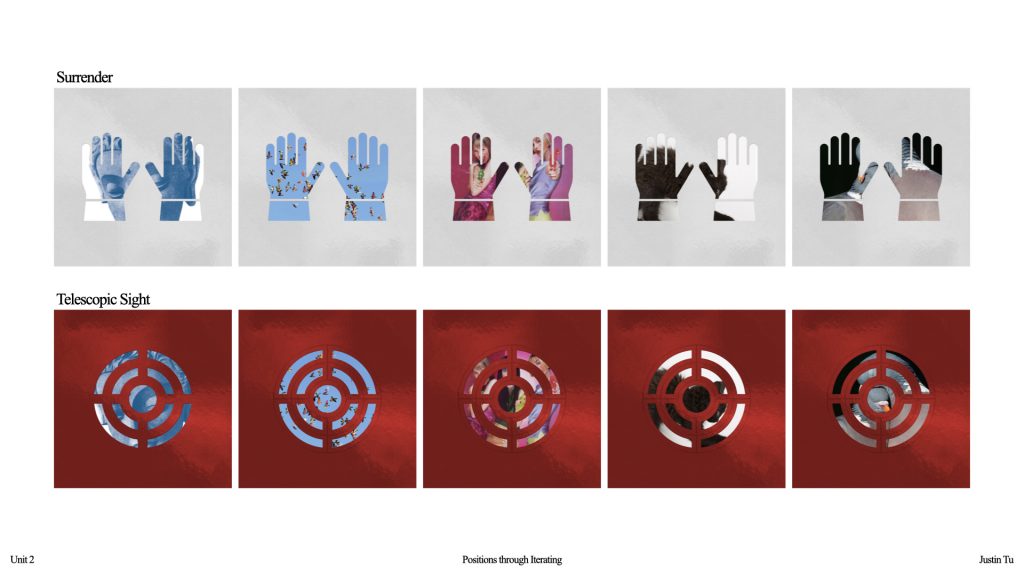
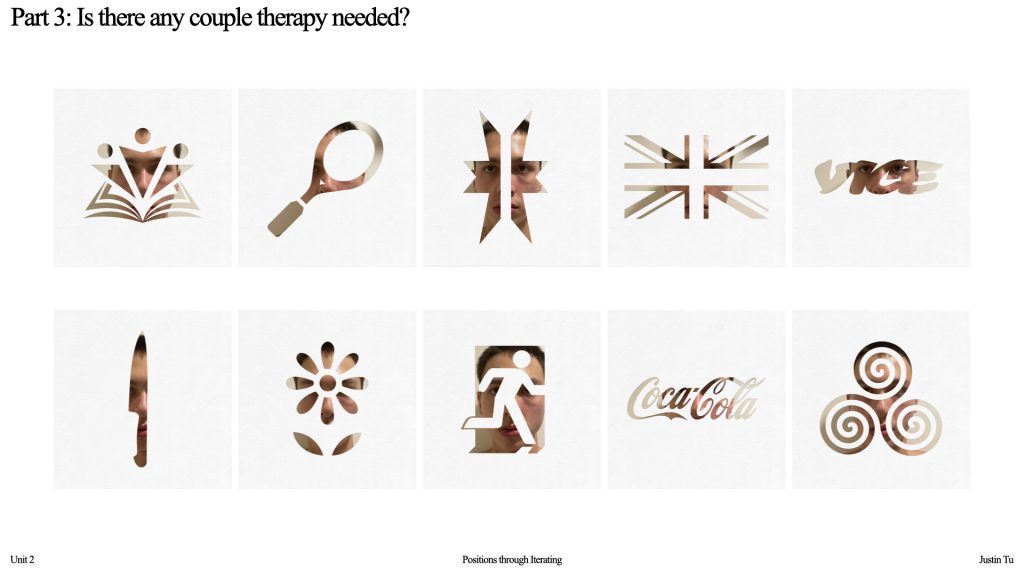
In the third part, I experiment with using different symbols to reflect on how I relate to my partner. Through these associations, I begin to question whether the connections I make reveal something about the relationship itself, almost like an informal, visual form of self-examination.
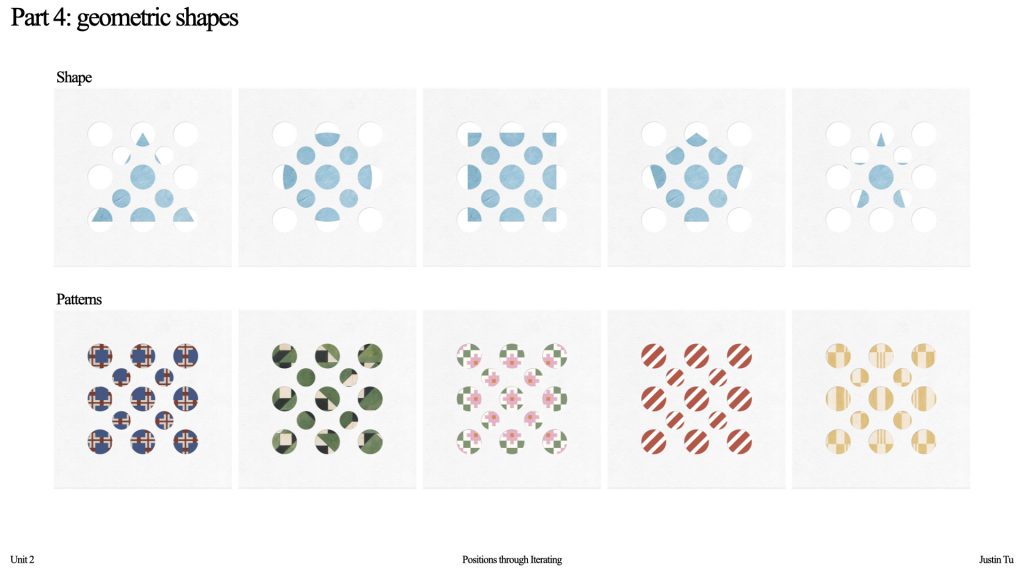
In the forth part, I took a more literal approach, using shapes to define and constrain other shapes or patterns.
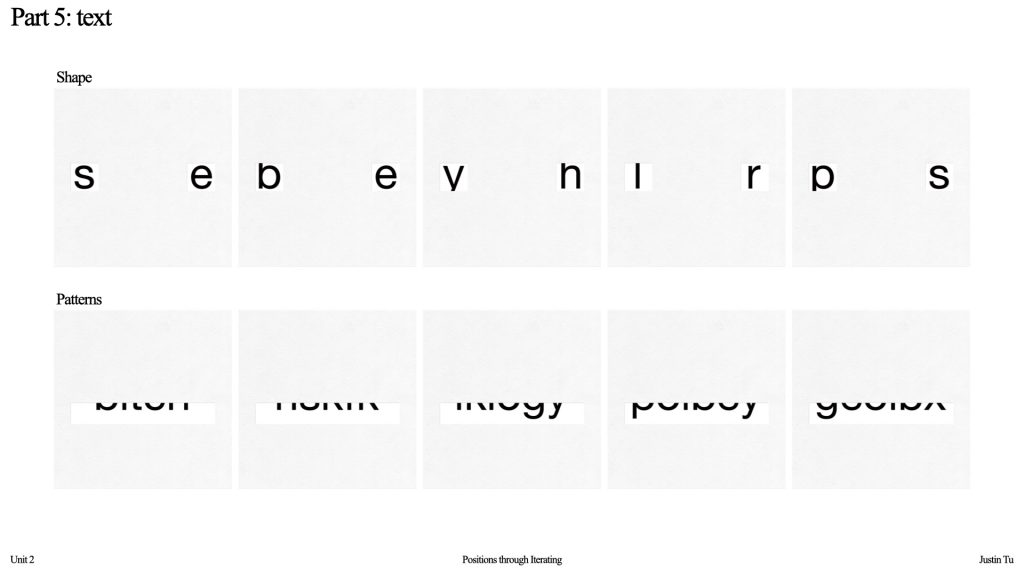
In the fifth part, I draw on something similar to the hangman word game. I focus on which words come to mind immediately, and consider whether these instinctive responses are linked to my personal habits, interests, or subconscious patterns. However, this part is less about how shape influences meaning, and more about how limiting information shapes what can be perceived and understood.
Week2: Framing Thoughts
Previously, I focused on how the “cutout’s shape” — which I now prefer to call it “frames” — alter the way we see and interpret images. I found that symbols carrying a high density of meaning tend to dominate interpretation. But, when a symbol becomes too powerful, does it reduce our capacity for critical judgment?
This led me to ask:
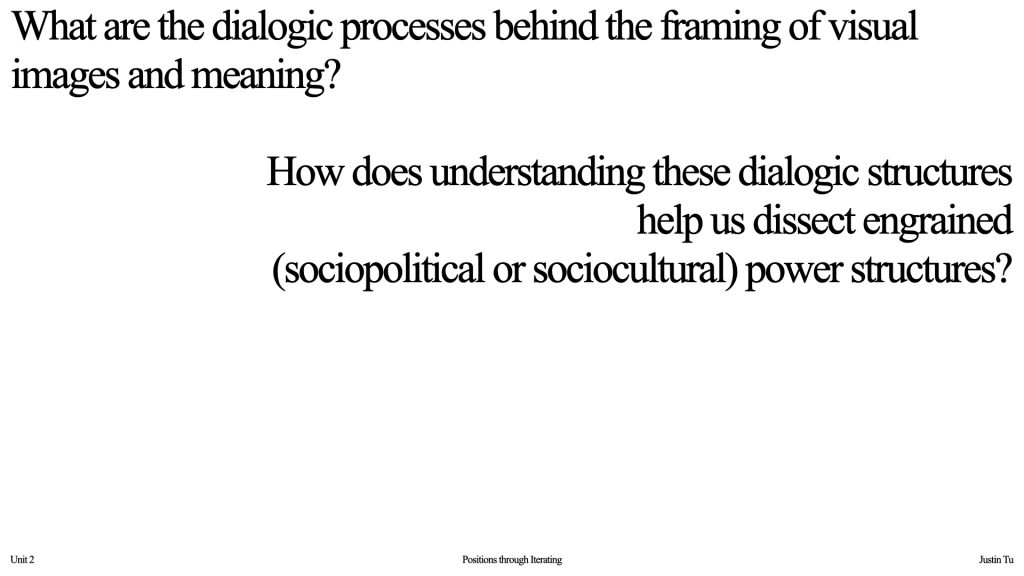
This week, I extended this enquiry through a series of iterations focusing on national flags as a case study. I explored not only how to construct image combinations that encourage reflection, but also whether anything can counterbalance or exceed the influence of such dominant symbols.
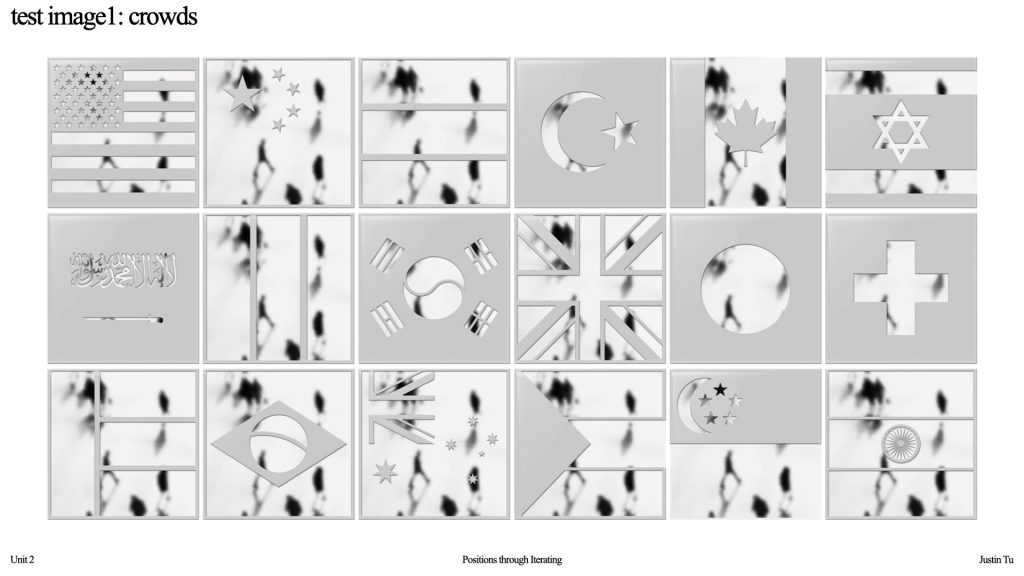
In the first set, I used crowds. Depending on the framing, the same group can appear like a group of ‘celebrants’, a ‘threatening mob’ or even people ‘in hiding’. Does the frame creates the ‘why’ behind the gathering?
The second set I used a hand. A raised hand is a universal symbol, but it’s incredibly malleable. Is it a sign of participation? A question? Or a salute? Does the frame decide the intent of the body?
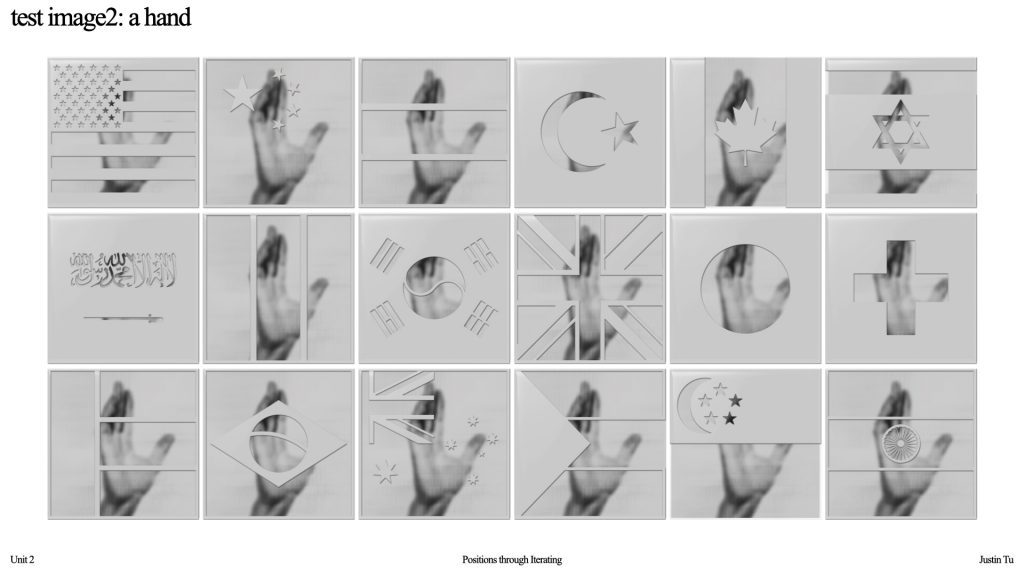
The third set I used an empty room. We often learn a lot about a person by the traces they leave in a space, but when the room is stripped of everything, that sense of identity disappears. It becomes ambiguous. Could it be a quiet gallery hallway, or a cold detention room somewhere remote?
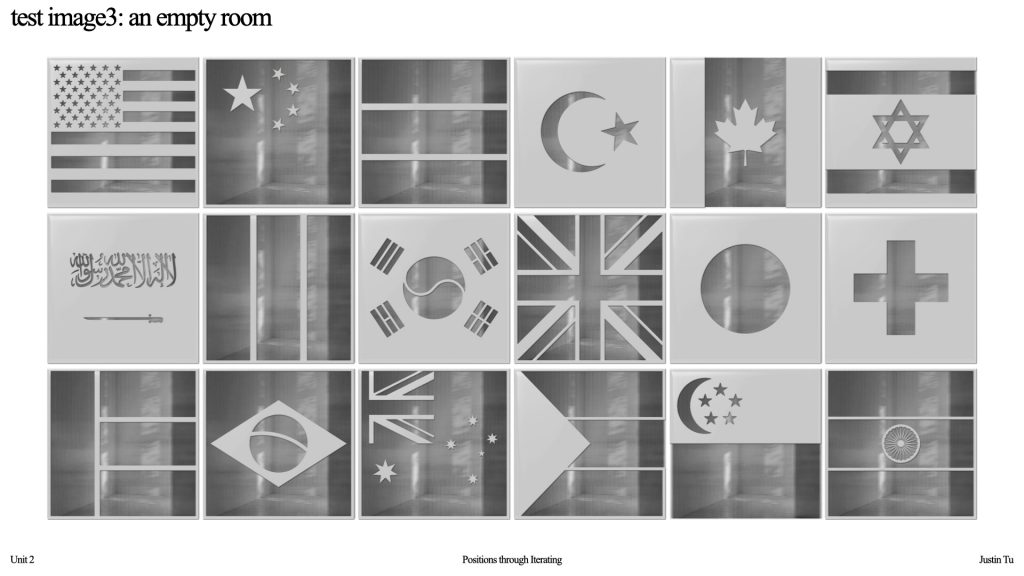
The fourth set I used one of the inkblot from Rorschach inkblot test. Apparently people would see completely different things in the same inkblot depending on their experiences and mindset. And I wonder if this would be effected by the frame. What do you see?
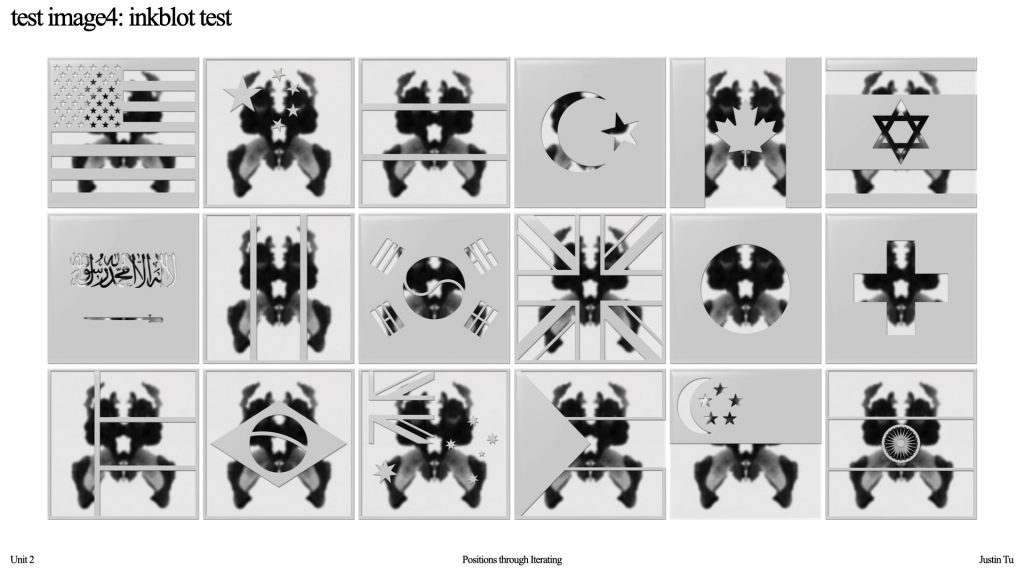
In the fifth set, I tested a highly symbolic imagery. Here, I am testing whether one powerful symbol can offset or destabilise another, particularly the strong visual authority of national flags. Does it give civil war or does it just give world peace?
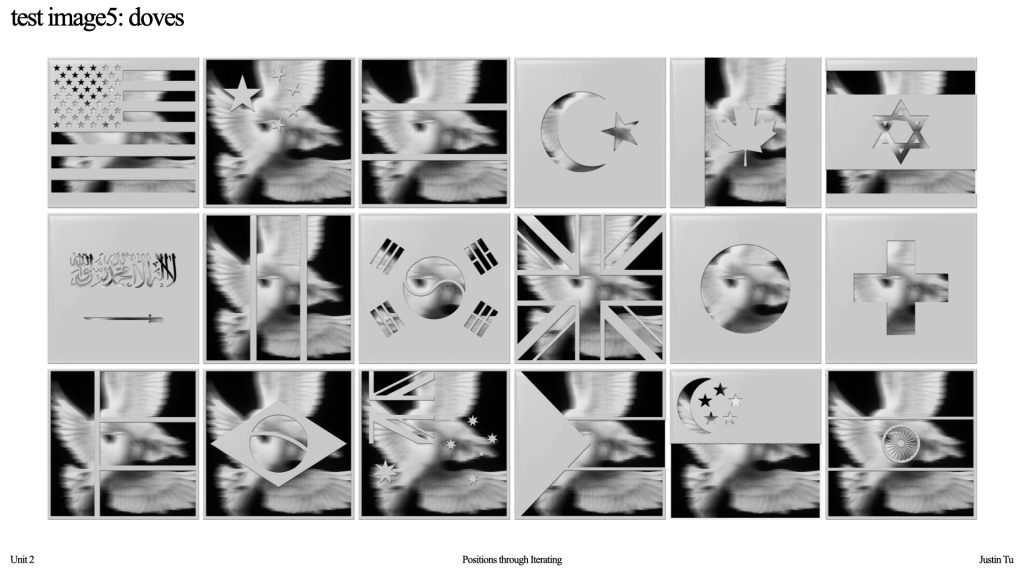
Through this juxtaposed mode of viewing, I wish to highlight that strong symbols such as national flags can both unify and divide. At the same time, they often suppress alternative interpretations and reinforce existing sociopolitical power structures.
This raises a broader question about how meaning is constructed.
Leave a Reply